Bail seems like a finish line when you or a loved one is sitting in a holding cell, however it is really a bridge. It attaches the minute of arrest to the day a case is dealt with. Occasionally, that resolution comes remarkably quickly when a prosecutor disregards the instance, a judge finds no potential cause, or a grand jury returns a no costs. If you published money, utilized a surety bond through a bail bonds company, or install residential or commercial property, what takes place following is not always instinctive. Money does not automatically spring back into your account the minute a dismissal order hits the docket. And also when it does, fees, court prices, and timing can complicate expectations.
I have strolled customers via every version of this result, https://nyc-87.iamarrows.com/how-jury-sight-flight-threat-in-bond-instances from tidy cash reimbursements to messy contest administrative fees. The information vary by state and also by county, yet the same core concepts have a tendency to govern. Understanding those concepts can maintain you from waiting months for a refund that need to have taken weeks, or from losing cash you did not need to lose.
Dropped fees are not the same as an acquittal, however the bail impact is similar
When fees are gone down, the case quits without a decision of regret or virtue. That can happen because a prosecutor decreases to file, a judge dismisses for lack of probable reason, a witness recants, a laboratory record undercuts the theory, or a grand jury rejects to finger. Procedurally, the court no longer has a criminal instance tying you to the jurisdiction. That matters for bail, because bond's function is to secure your look and compliance while the instance is pending. As soon as the instance is gone, the lawful basis to hold your money or your bond evaporates.
In method, courts still need to process the termination and close out the bond. That indicates an order of release of bond or comparable documentation. If you do not see a certain entry ending the bond, presume the refund clock has not started. A case termination does not immediately activate settlement by the clerk. Somebody, typically the defense lawyer or the bondsman, should trigger the bond exoneration.
Cash bond: reimbursement expectations, deductions, and timelines
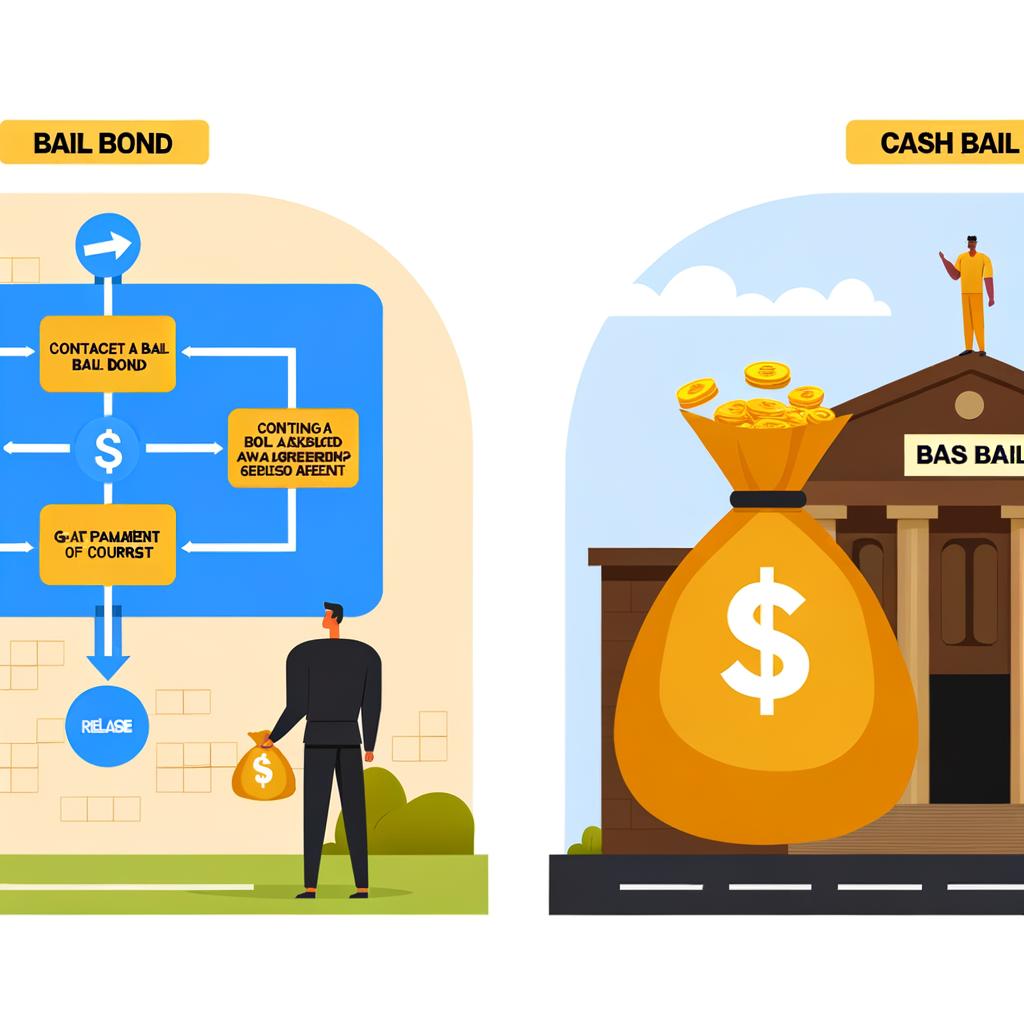
If you or a relative transferred cash directly with the court, you are generally entitled to a refund when fees are dropped and the bond is exonerated. However "typically" does a lot of job here.

Courts in numerous jurisdictions use bond deposits to unpaid court penalties, costs, or restitution, even if the underlying criminal situation is dismissed. If you had an old web traffic fine or a civil judgment antique via the notary, the bail money can be balanced out. I have actually seen a $5,000 bail deposit become a $4,420 refund after the clerk silently deducted a collection surcharge and exceptional costs unconnected to the new instance. It took two letters and a hearing to fix the overreach, and we ultimately recuperated the majority of what was held back, yet the lesson stuck: examine the detailed invoice or the disbursement ledger prior to you approve the final amount.
Processing time relies on the court's workload and the quality of the dismissal order. In a regular region, a tidy dismissal with a same-day bond exoneration order produces a check in 2 to 6 weeks. Big-city staffs can take longer, sometimes 8 to 12 weeks, particularly at end. If you have not obtained anything within 45 days, get in touch with the staff's bond workdesk with the case number, the bond invoice, and the termination day. Lots of offices process reimbursements in weekly or biweekly batches, and a polite nudge can move your documents right into the following run.
One extra wrinkle: if somebody else published the cash in your place, many courts treat that individual as the depositor of document. The refund mosts likely to the name on the invoice, not instantly to the accused. I as soon as had a college roomie who scratched together a cash money deposit for a buddy, after that vacated state prior to the instance was dropped. The clerk sent by mail the reimbursement check to the initial address, it was returned, and the funds sat in unclaimed residential property for two years. Maintaining call details existing with the clerk avoids that sort of limbo.
Surety bonds through a Bail Bonds business: costs, exoneration, and collateral
Most individuals do not deposit countless dollars with the court. They call a bail bonds agent, pay a premium, and allow the representative blog post a guaranty bond. When charges are dropped, the surety bond ought to be pardoned, which launches the bail bondsman from threat. Exoneration is the legal finish line for the bond, not the premium.
The costs you paid to the bail bonds business is often nonrefundable. That is business design: the representative charges a charge, commonly 8 to 10 percent of the bond quantity in several states, in exchange for posting the full bond and handling the threat that you may stop working to show up. When the situation ends, whether by dismissal or sentence, that take the chance of ends, but the charge does not return. Think of it like an insurance policy premium. You purchased insurance coverage throughout the pendency of the case. You do not obtain the premium back because you did not "use" the coverage.
What you ought to get back is any collateral you pledged, such as an act of trust fund on a home, the title to a vehicle, or a cash down payment held by the bail bondsman. The return of collateral complies with exoneration. Many reputable representatives begin documents the exact same day they obtain the court's bond launch, however they need proof. Ask your attorney to send out the exoneration order to the bail bondsman the day it posts, and demand created confirmation of collateral launch. For real home, anticipate a recorded reconveyance or lien release within 10 to 30 days. For car titles, same-day is feasible, however a week prevails. If two payment cycles pass without any activity, rise in creating and replicate the state's insurance or surety regulatory authority. That generally gets attention.
Clients sometimes ask if they can say for a partial refund of the costs because the instance was rejected early. In my experience, success is rare. A couple of representatives will voluntarily discount if a bond was energetic just a couple of days, especially for long-standing attorney partnerships. Some state policies also permit pro-rated refunds in really narrow circumstances, such as if the offender is surrendered back to custody within a taken care of home window without any court days. Those are exceptions, not the regulation. If the bond covered a minimum of one court appearance and no misconduct took place, assume the premium is gone.
Property bonds: release takes more actions, so start early
Property bonds tie up a valuable asset to ensure look. They also create much more management tasks when fees are gone down. After the court pardons the bond, the clerk needs to issue a launch order, the recorder's office requires to approve and index a reconveyance, and sometimes a title firm requires to get rid of the cloud from the chain of title. I have seen these loopholes take 30 to 90 days in active regions. If you intend to offer or re-finance the home, obtain the exoneration order to your title firm the exact same week the instance closes. They can frequently shepherd the launch with the recorder faster than a walk-up filing.
Double-check that all counties where the lien was taped obtain the release. Multicounty home bonds appear more frequently in country regions where acreage straddles lines. I once worked with a bond safeguarded by two parcels, one in Region A and a sliver in Area B. Region A launched promptly, County B did not, and the family members uncovered the oversight when they attempted to refinance 3 months later on. A licensed copy of the exoneration order resolved it, however it included 2 weeks to the closing.
Administrative costs and "court prices" after dismissal
Here is a factor that irritates defendants and households: a dismissal does not necessarily mean absolutely no prices. Some jurisdictions evaluate management costs connected to reservation, electronic monitoring, bench warrant recalls, or pretrial services that were supplied before the instance finished. These are not penalties for a criminal sentence, yet they can be legally billed and accumulated from bond down payments. Whether that is reasonable is a separate discussion. The useful guideline is to ask the staff for a final price breakdown prior to the refund is issued. If something looks off, elevate it while the documents is still active. After the money is disbursed, turning around fees can take months and an official motion.
Pretrial programs occasionally generate invoices that never ever go through the court clerk. If you got on general practitioner monitoring, medication testing, or check-in reporting, confirm with the program office that your account is closed with a $0 equilibrium. Otherwise, you can get a shock expense after your bail reimbursement arrives.
Warrants, holds, and exactly how they derail refunds
Even when a prosecutor goes down the current instance, various other legal holds can interrupt the bond exoneration. The most typical are probation holds from an additional case, migration detainers, or new warrants in a various area. Each produces a different lawful basis for wardship. If the court thinks you will not be launched anyhow, it might postpone exoneration till the various other hold is addressed.
From a bond viewpoint, this develops 2 troubles. Initially, your cash deposit might sit in limbo due to the fact that the bond remains practically "active." Second, a bail bondsman holding collateral may reject to launch it until the court goes into a clear exoneration. The fix is procedural: get a clean order mentioning the bond is vindicated as to the dismissed situation, regardless of other holds. Most judges require when asked. Without that sentence, you can wait weeks for a refund that must have been activated the day the termination was entered.
Expungement and record securing are different from bail
Many people presume that a termination suggests the arrest vanishes from public sight. It does not disappear on its own. Bail concerns are financial and procedural. Tape-record cleaning is a different process with its own forms, qualification requirements, and timelines. If maintaining employment leads or specialist licensure matters to you, speak with guidance concerning expungement or sealing the document as soon as the instance is gone down. In states with automated alleviation for non-convictions, the process still takes months to appear on history checks, and exclusive data sources delay. If your bail reimbursement is going to an address that appears on public documents, take into consideration making use of a safe mailing option so sensitive files are not misdelivered.
How to speed up points up
Courts and Bail Bonds companies deal with documents. The faster the documents actions, the faster the money returns or the security is released. These actions regularly cut weeks off the timeline:
- Before the dismissal hearing, ask your lawyer to prepare a proposed order pardoning the bond and provide it to the court room clerk for immediate trademark when the situation is dismissed. Hand-deliver or electronically submit the authorized exoneration order to the bond desk the same day. Maintain a stamped copy. If a bondsman was involved, send out the order to the agency and request created verification of collateral release with an anticipated date. Confirm with the staff whether any kind of offsets or fees will be put on a money bail reimbursement, and right errors before disbursement. If a property bond was used, collaborate with the recorder or title firm for videotaping the launch and request for proof once done.
Edge situations: partial dismissals, refiling, and re-arrests
Criminal cases are not always tidy. So some fees are dismissed while others continue to be, the bond stays basically unless the court modifies it. As an example, a five-count issue may diminish to a solitary violation. A judge may decrease the bond quantity, convert it to release on recognizance, or keep it the same, depending upon risk elements. Do not think a partial termination frees your bond. Request a new order vindicating the initial bond and, if required, setting a smaller bond. If money was uploaded, the court can reimburse the difference.
Prosecutors can dismiss without bias and refile the situation later. This occurs when lab outcomes are pending or witnesses are participating yet inaccessible. In refiling situations, a formerly exonerated bond does not automatically bounce back to life. You might need to publish bail once more, discuss release terms, or give up on a new warrant. If you used a bail bonds business and the case is refiled without delay, some representatives will certainly treat it as a continuation and not bill a brand-new complete costs, yet that is a business choice, not a lawful required. Obtain any type of such assurances in writing.
Re-arrests produce even more confusion. Intend your case is rejected on Monday and you are arrested on a brand-new, unassociated cost on Friday. The old bond ought to still be exonerated regarding the old case. The brand-new apprehension calls for a brand-new bond. Do not allow a staff or a bail bondsman to merge the two. Maintain situation numbers different in every communication to prevent misapplied funds or delays.
What if the court refuses to refund money bail?
Occasionally, a staff declines a refund because the docket lacks a clear exoneration access. Sometimes the problem is a missing out on signature, various other times an information entrance lag. Start by getting a certified duplicate of the termination and any kind of minute order that referrals bail. If the mins point out "bond vindicated," you have what you need. If not, file a short motion for exoneration. Lots of courts supply a form for this, and judges authorize them in chambers without a hearing. If the clerk cites exceptional fees as the reason for holding back the entire amount, request the statute or rule that authorizes an one hundred percent hold. In many jurisdictions, offsets are used just to the amount needed to satisfy the debt, not the entire deposit.
If you struck a wall surface, bring your defense attorney into the conversation. A two-minute appearance at a status calendar can generate an order that solves the impasse. When large amounts are at stake, advise can additionally place the court on notification that interest might build up or that a writ will be looked for. That should be a last resource, however it frequently jolts a documents out of the stack.
How Bail Bonds agencies handle cancellations and surrenders after dismissal
Sometimes a company gives up an accused before the case is gone down, normally after a missed out on check-in or a believed traveling infraction. If the instance is later on rejected, the premium still remains with the company, yet you ought to not owe any kind of added charges linked to the given up duration as soon as exoneration occurs. If a surrender cost or detective cost was charged, ask for documents. Lots of states cap or require itemized proof of such fees. On the other hand, if the agency never actually uploaded the bond because termination occurred first, you should not be billed a complete costs. A reasonable handling charge might be permitted, however a full costs without a published bond is a warning. Regulators take a rate of interest in such complaints.
Tax and accountancy notes that save headaches
Bail refunds are not earnings in the common sense. You are getting back your own money. For people that run local business and published bail from organization accounts, maintain the reimbursement in the very same account to streamline accounting. If you collateralized a firm automobile or equipment for a bond, upgrade your insurance policy representative once the lien is launched. I have actually seen accident cases delayed because an old UCC filing still showed a guaranty's passion months after a case finished. A quick e-mail to your insurance firm and lender avoids that kind of documents snarl.
If a 3rd party paid your bail and you repay them after the reimbursement gets here, document the settlement with an easy receipt. Relationships sour frequently over uncertain cash. A one-page recommendation keeps memories honest.
Practical assumptions by sort of bail
Every situation has its own traits, yet you can secure your expectations with a few median timelines.
For cash money bail, plan on 2 to 8 weeks from termination to refund check, assuming a clean exoneration order and no offsets. If a shift remains in play or the refund exceeds a certain limit that requires a 2nd signature, include a number of weeks.
For a surety bond with a Bail Bonds company, security launches generally take place within 7 to 21 days after exoneration. Real property can take longer because of videotaping queues. The premium remains with the agent.
For residential or commercial property bonds tape-recorded with the court, expect 30 to 60 days to see the lien completely cleared from the public document, quicker if you or your title business drive the process.
For instances with various other holds, the refund or release timeline starts just after a clear exoneration order is gotten in. Get that language in creating, even if wardship proceeds for unconnected reasons.
Common misconceptions that cost individuals money
Two beliefs cause one of the most disappointment. First, the assumption that "rejected" amounts to "instant reimbursement." There is constantly a paper trail to complete. The faster you chase it, the much faster you earn money. Second, the belief that a bail premium is a deposit rather than a cost. When you hire a bondsman, you are spending for accessibility to credit score and for the company to shoulder your trip threat. The charge is not a short-lived hold. Plan your cash flow with that truth in mind.
I will certainly add a third, subtler mistaken belief: believing that no one needs to mind the information once the prosecutor states the situation is dismissed. The court is a human system. Staffs alter, inboxes overflow, and orders obtain misfiled. A single phone call or a one-page movement frequently makes the difference in between a 10-day and a 60-day refund.
A narrative from the trenches
A dad called me on a Thursday afternoon, excited and exasperated at the same time. His son's felony instance had actually been disregarded that early morning, yet the family had used a $12,000 cash money deposit scratched together from savings, and the clerk informed him refunds took "up to 90 days." The clock mattered. Tuition was due in three weeks.
We relocated promptly. I composed a one-page recommended order pardoning the bond and brought it back to the same court that authorized the termination. The judge signed it right away and informed the clerk to refine it as a concern. We hand-delivered the order to the bond workdesk and asked for verification that the reimbursement request would certainly be in the following batch. Monday early morning, I called to validate it was queued. The check got here on day 19, which was still longer than I suched as, but early enough for tuition. Without the order and the follow-up calls, that check would have landed more detailed to day 50.
Not every staff's workplace suits such demands, and not every court moves very same day. But in virtually every court house, there is a quicker lane readily available for data with tidy paperwork and someone paying attention.
When to generate a lawyer again
If the amount at risk is considerable, if a bondsman is sluggish to release collateral, or if a staff points out a rule you have never become aware of to justify withholding, get a defense attorney back on the field. A legal representative that knows the courthouse can typically detect the traffic jam in a single go to and repair it with a short declaring. The charge for that minimal depiction is frequently far much less than the money you could lose to unneeded delays or improper offsets.
If you can not afford guidance, go to the clerk in person, bring your dismissal and any kind of bond invoices, and ask which form or activity is needed to pardon and refund. Lots of courts have self-help windows or downloadable types. Hold your horses, keep notes of every discussion, and request for stamped duplicates of every little thing you file.
The base line
When fees are gone down after publishing bond, the law gets on your side. The court ought to pardon the bond. Money bail need to be reimbursed, minus lawful offsets. Collateral pledged to a Bail Bonds firm need to be launched. The premium paid to the bail bondsman is almost never refundable. The difference in between a smooth experience and a discouraging one typically boils down to documentation and follow-through. Obtain a clear exoneration order, deliver it to the best workdesks, maintain duplicates, and do not be timid about respectful check-ins. That is just how you turn a legal triumph into financial closure.