Bail decisions are quickly, substantial, and usually made with incomplete information. Judges rest with a documents that may be just a few web pages thick, yet from that data they make a decision whether someone sleeps in your home or in a cell while their case moves on. The arrest document, both the present occurrence and the person's prior history, anchors much of that decision. When you have sat in arraignment courts long enough, you start to see the patterns: what details courts circle with a pen, what they ask district attorneys to clear up, and where defense lawyer can relocate the needle. The apprehension record is not the entire story, yet it is the story that obtains read first.
What courts actually look for in the apprehension record
Arrest documents are not a single file. They are a package: the issue or likely cause statement, a criminal history printout, occasionally a risk analysis rating, and notes regarding warrants, failings to show up, supervision standing, and previous bail compliance. A court skims and quits at details that point to 2 large inquiries: Will this person go back to court, and do they offer a risk of harm if released?
A prior pattern of missed court dates gets prompt attention. One or two misses from years ago can be described, particularly if they were later on dealt with. A string of active bench warrants, or a recent failure to show up, considers heavily. I have actually seen people with severe costs released on low bond since they had a pristine appearance record, and individuals with minor charges remanded due to a recent no-show.
Judges additionally examine the nature and recency of previous offenses. An old offense from university hardly ever matters, while a current sentence for a similar infraction typically does. The closer the previous is in conduct and timing to the new charge, the more anticipating it feels to a mindful court. Add in a pending instance, and risk assumption jumps. Being on probation or parole at the time of arrest frames the brand-new event as a violation of depend on, which tends to increase bond or press towards detention.
The story in the potential reason area matters as well. Juries take note of whether the present crime supposedly involved violence, a tool, threats, or at risk victims. They additionally search for truths that suggest stability or volatility: drunkenness, evasion, declarations to authorities, visibility of family members at the scene, work information pointed out by police officers, indications of intending versus impulsivity. Also mundane information, like the offender's address history and size of residence, can tip a close call.
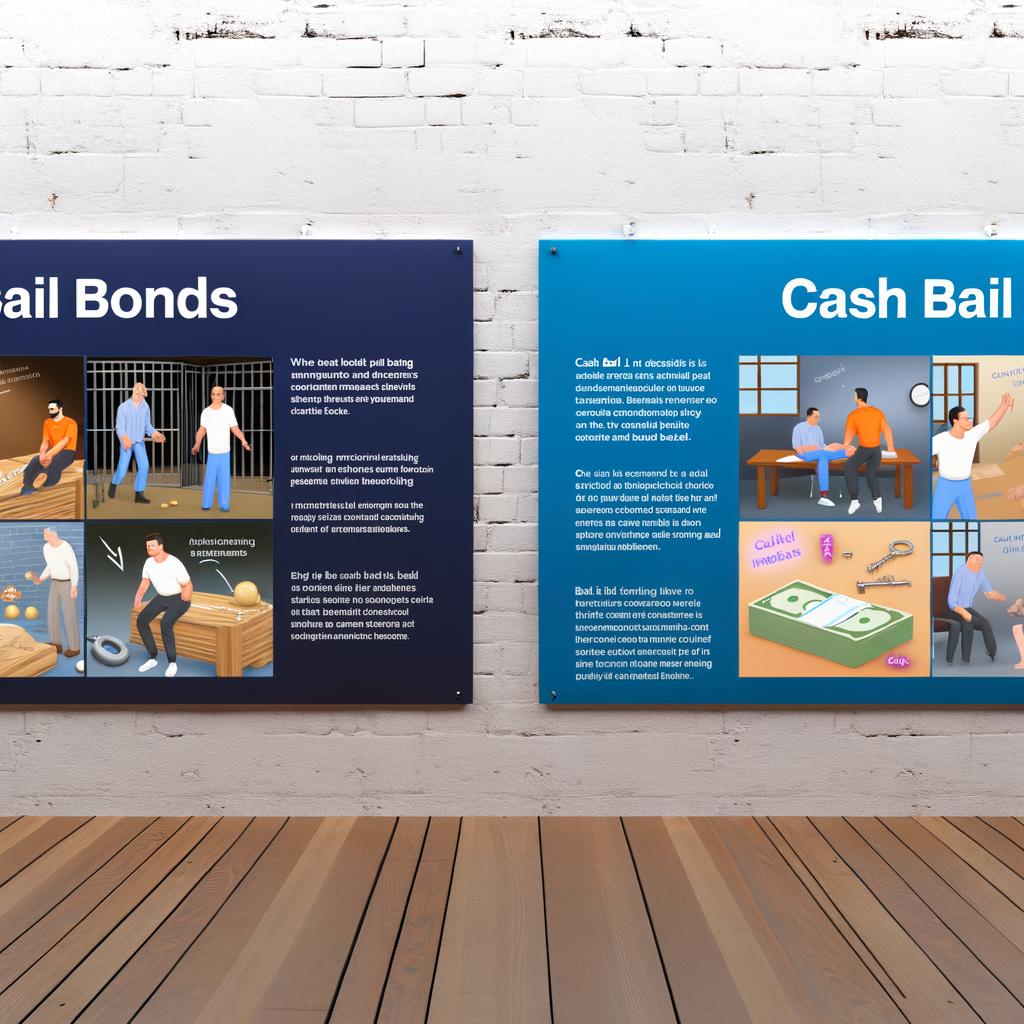
How danger obtains converted right into dollars or launch conditions
Two dangers drive bond: flight danger and risk to the neighborhood. Many jurisdictions no longer make use of cash bail as the default, however even where Bail Bonds and cash money options stay, courts frequently start with conditions. For low-risk situations, individual recognizance with basic problems prevails. For modest risk, the court might add coverage, check-ins, a stay-away order, or digital tracking. For greater danger, the choice becomes a mix of tighter supervision and, in some cases, a monetary stake.
Here is the normal reasoning, stated clearly. If the record reveals solid neighborhood ties, stable job, and no history of missing court, courts lean toward release with minimal problems, unless the existing fee is especially startling. If the document reveals instability and previous noncompliance, the court needs guarantee. That guarantee can be an enforceable collection of conditions under a pretrial services program, a safeguarded bond that an accused or household can upload, or a bail bond with a licensed agent that will certainly underwrite the threat for a fee.
The money piece is not approximate, though it can feel that way from the gallery. Several courts have casual varieties for certain charges, with modifications for record-based aspects. A novice pacifist felony might draw a small bond, commonly in the low thousands. Include a recent failure to appear, and the number climbs up. Include a probation hold or a weapon claims, and it climbs once more, in some cases by a factor of 2 or three. Even courts who like non-monetary release will certainly raise the level of supervision as the record raises concern.
The function of Bail Bonds in practice
When a court sets a guaranteed monetary bond, few households pay the full amount in cash. They go to a bail representative, pay a costs, usually 10 percent, and safe and secure release with a bond. The representative is not just a cashier. A knowledgeable bondsman reads the very same apprehension documents and examines danger. If the client has an untidy warrant background or weak ties, the representative might require a cosigner, security, more constant check-ins, or they might decline completely. It is an underwriting choice, and it reflects the exact same problems judges have, simply with the agent's money on the line.
From the bench, I have seen judges keep in mind when a reputable bondsman agrees to compose a bond on a tough case. Agents recognize their regional court society and the chances of successful look. They will in some cases offer the court with added framework: suggestions, transportation, sychronisation with defense counsel. A tidy arrest document makes that process simple. A difficult document sets off much more problems and sometimes presses the client to think about non-financial release options through pretrial services, if available.
The weight of certain document elements
Not all entries in a document lug equal weight. Some issue much more than accuseds recognize, and some matter much less than district attorneys argue.
- Failures to show up. Even a handful carries symbolic weight due to the fact that it goes straight to the court's institutional problem. A single failing years ago with a documented reason and succeeding compliance can be alleviated. 2 recent failures with warrants remain in the judge's mind. Pending instances. A pending case shows existing entanglement. When the new fee looks like the pending one, judges typically think raised danger and set greater bond or include strict conditions. Probation or parole status. Being under supervision when jailed changes the court's structure from first-chance to second-chance thinking. The court must make up the managing agency's reaction and the possibility of technological violations. Violent or weapon-related priors. Also older terrible priors put in a gravitational pull on bail decisions. The court bothers with escalation, especially if the present fee has any tip of conflict or a firearm. Compliance history. People forget that positive background helps. Finishing previous diversion, completing probation without offenses, or constant court looks can soften the influence of an old record.
That list is not exhaustive, yet it mirrors the handful of items that accurately move the needle throughout jurisdictions.
How the existing arrest narrative can get rid of a negative record
I took care of a case years ago where an accused had 2 prior failures to appear on low-level property crimes. The new arrest was a felony, however the possible reason statement explained a facility family dispute with trustworthy evidence that the individual had actually remained to consult with police officers and had actually currently aligned counseling. The judge prepared to establish a high bond until defense attorney stood up with a letter from the employer, proof of a current lease renewal, and a get in touch with from a pretrial solutions officer dedicated to regular check-ins. The prior failures did not vanish, yet the court reframed them as youthful errors instead of a current pattern. The defendant was launched with conditions and never ever missed a date.
The factor is not that beauty wins the day. It hardly ever does. Facts do. If the apprehension document elevates a depend on issue, counter it with trustworthy information. Offer documentation. Offer details conditions that match the threat. Unclear promises do not help. Concrete dedications do.
Prosecutors, defense, and the tug-of-war over the record
Arraignments move fast, however the adversarial system still operates. District attorneys often tend to highlight the worst components of the data, quoting language that recommends threat or flight. Defense counsel does the opposite, filling out context the documents leaves out. Skilled attorneys understand where to push. They ask the judge to take a look at days, to identify apprehensions from sentences, to note when an old bench warrant was vacated. They bring hard copies revealing existing employment or school enrollment. They will sometimes specify to a limiting order or to a general practitioners keep track of, not as a concession of shame, however as a means to satisfy the court's risk calculus without extreme cash bail.
There is a sensible lesson here. If your record has landmines, expect them to be tipped on. Do not wait on the judge to discover. Describe them first, with specificity. If you moved, reveal the lease. If you missed court because of hospitalization, bring the documents. If a previous situation was rejected, have the personality prepared. The cleaner and much more proven the explanation, the more likely the judge is to rely on release.
Risk assessment tools and their limits
Many territories make use of structured danger evaluations that generate a score based partially on arrest records. These tools attract greatly from previous failures to appear, age at first apprehension, and prior convictions. They assure consistency, and sometimes they bring it. A low rating can help a judge really feel comfortable with recognizance release. A high score can press in the other direction.
The limits are actual. These tools can over-weight old offenses or deal with a solitary failing to appear the same no matter context. They sometimes do not capture protective factors that matter in a human life, like a new work or a recent relocate to stable real estate. Judges understand this, which is why you will hear them claim that a danger score is a device, not a choice. Defense attorney can and need to point to the inequality when the arrest document paints an insufficient picture.
When bail is refuted in spite of modest records
Every practitioner has seen cases that look like they ought to result in release, yet the court remands. The usual string is the nature of the present fee, especially when the claims describe targeted violence or endangered witness scare tactics. A moderate previous record can not bypass a story that suggests an effort to block justice. The court's primary problem becomes the honesty of the procedure. In these instances, also a well-structured Bail Bonds solution will stagnate the court unless conditions can straight attend to the particular threat, such as stringent no-contact orders and verified relocation.
Another situation: an accused with mental health and wellness or material utilize situations and a record dotted with technical violations. The judge might stress that problems will not aid without professional support. A defense group that shows up with a bed day at a therapy facility and a transportation strategy will certainly do much better than one that simply asks for a reduced bond. The apprehension document is not just concerning blame, it is a roadmap for what has or has actually not functioned before.
Practical steps defendants and families can take prior to the bond hearing
The short home window in between arrest and accusation is agitated, but there are focused actions that improve outcomes.
- Gather paperwork of stability: pay stubs, registration records, evidence of residence, letters from supervisors, treatment visit confirmations, or youngster wardship schedules. Judges believe paper. Identify a liable third party who can show up in court. A relative or company ready to vouch personally brings weight. Their visibility signals connections and accountability. If bail is most likely, speak to a reliable Bail Bonds agent early. Talk about collateral, cosigners, and checking expectations. Having a bond prepared can shorten prison time after a decision. Coordinate with pretrial solutions if your territory offers it. Get an assessment scheduled and be prepared to comply with proposed conditions. Prepare clear explanations for any kind of failings to show up or warrants, with days and resolutions. Own errors without excuse, then reveal what has changed.
These steps do not assure release, however they provide the court something strong to collaborate with. When the document questions, your job is to address them with facts, not hopes.
Variations across jurisdictions
Arrest records play in a different way in various courts. Some states have actually approached presumptive launch for many violations and nonviolent felonies, making use of conditions and guidance instead of cash bond. In those locations, the arrest document influences the strength of problems more than whether release takes place whatsoever. Various other jurisdictions still rely heavily on time and money bail, where a document directly maps to a dollar figure. Urban courts that see the exact same names frequently value conformity background. Rural courts may lean much more on area credibility and ties, which can assist or harm depending upon who turns up for you.
A different fad, visible in a number of states, reduces making use of bail for the majority of pacifist situations yet enables detention without bail for specific classifications, such as weapon offenses or residential physical violence with aggravated aspects. In those structures, the arrest record works as a gatekeeper for detention hearings rather than just bail quantities. The concern comes to be not how much, however whether any set of problems can sensibly manage the risk.
Common mistaken beliefs regarding apprehension documents and bail
I hear three misconceptions more frequently than others. Initially, that only sentences matter. Not real for bail. Apprehensions, specifically current ones for comparable conduct, influence the threat calculation, though courts understand the distinction in between unverified allegations and developed sense of guilt. Second, that paying bond suggests the court trusts you. Cash is not trust fund; it is leverage. Trust fund comes from conformity history, verified ties, and trustworthy strategies. Third, that a single negative entrance in your document dooms you. It does not. You can offset a prior failure to show up with a solid proving of existing security and a practical package of conditions.
Defense strategies that align with just how judges think
The most reliable bond arguments are narrow, accurate, and customized. Defense counsel should match problems to the record-based risk. If the record shows missed court, recommend automated message tips, transportation aid, and constant check-ins. If it shows spontaneous conduct tied to alcohol consumption, suggest therapy, breath tracking, and a curfew. If there is a safety and security problem flagged by the arrest report, suggest a no-contact order, moving to a various address, and GPS exclusion areas. The court intends to see that the strategy speaks with the trouble the document identifies.
I have actually additionally seen advise prosper by reframing the document's timeline. Sequencing matters. A collection of old misdemeanors followed by 4 silent years, a brand-new work, and household responsibilities is an extremely different threat profile than constant current activity. When advice strolls the court with a timeline with supporting records, the previous mayhem starts to look like a shut phase as opposed to an irreversible trait.
When to consider Bail Bonds versus non-monetary options
If a jurisdiction provides durable pretrial solutions, and the record reveals manageable threats, pushing for non-monetary conditions makes good sense. It prevents the financial concern and the nonrefundable costs that include Bail Bonds. That stated, there are times when a bond aids. Some courts make use of money bond as a proxy for severity. In a close situation, proposing a modest secured bond together with guidance can please both the requirement for framework and the court's convenience degree. Families should consider the price, the chance of conformity, and the speed of launch. A bail bondsman offered to post quickly can shorten direct exposure to prison risks in the first 24 to 48 hours.
From a useful viewpoint, if the court signifies a buck amount accessible, having a bond agent aligned stops hold-ups that can stretch right into days due to documentation and verification. Make sure the agent explains all terms, consisting of possible costs for healing actions if court dates are missed.
The human side courts notice yet files seldom capture
Arrest documents flatten people right into codes and days. The live hearing lets some humankind back in. Jury notification who is in the gallery. They discover when a partner or moms and dad stands, all set to speak if allowed. They discover considerate interest, that an offender is dressed for court, that they are not intoxicated or flustered. They likewise see when counsel knows the situation directly rather than checking out from a display. None of https://manuelxtrx556.theglensecret.com/bail-bonds-for-felony-vs-violation-charges this alternatives to a solid document or plan, yet it colors the margins in ways that matter on the fence-line decisions.
On the opposite side, judges also see when offenders roll their eyes at conditions, when they interrupt, or when they say about the cost instead of focus on bail. The hearing is not the test. The objective is to give the court confidence that you will comply with orders and turn up. That is the currency that counts.
Looking onward without hopeful thinking
Policy disputes concerning bond commonly talk past the frontline experience. The apprehension record will certainly continue to be main to bail choices since it is one of the most prompt evidence of how a person has actually engaged with courts and police. Reform can refine the weight of different entrances and invest in better non-monetary supports. It can press systems to distinguish between an old, unimportant acne and a recent, telling pattern. However as long as courts are asked to make rapid decisions with limited time, they will transform to the entries that seem most anticipating: failures to show up, supervision condition, recency and resemblance of offenses, and the facts of the existing arrest.
For offenders and families, that fact indicate practical prep work. Tidy up impressive warrants prior to they grow out of control. Maintain documents of work and housing. Address material concerns with recorded therapy. If you are arrested, created a tight package that responds to the questions your apprehension record increases. And if cash bond becomes part of the equation, method Bail Bonds with clear eyes, recognizing both the price and the obligations.
A bond hearing is a trust discussion, conducted in the compressed language of apprehension records and conditions. Your work is to give the court sufficient reasons to claim yes to launch, and after that to make certain the following entrance in your document is a simple one: looked like ordered.
ABBA Bail Bonds 900 Avila St STE 101 Los Angeles, CA 90012 (213) 296-0901 https://abbabailbonds.com